

Smart Mobility: AI’s Expanding Role in the Future of Transportation and Logistics
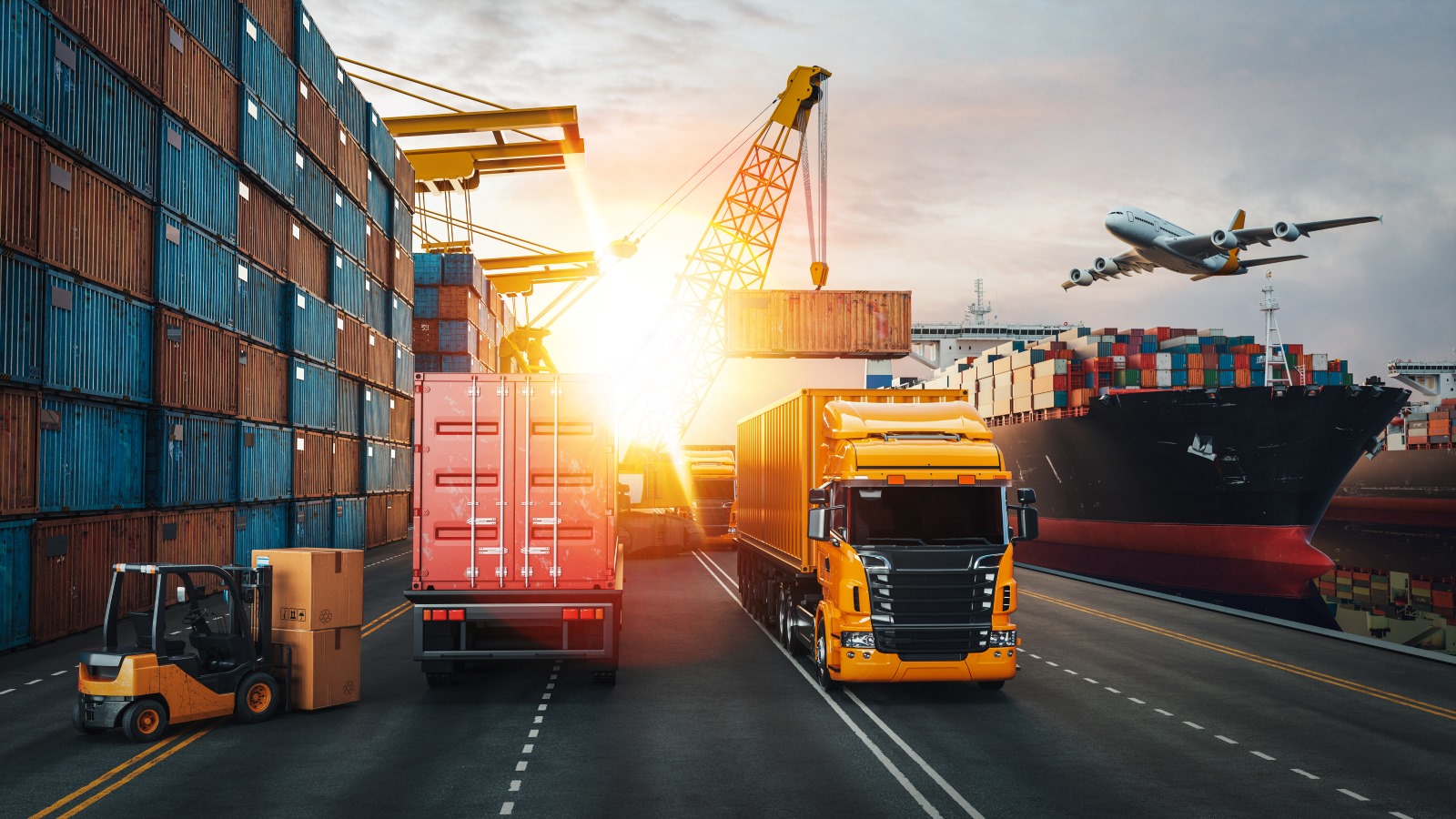
The hum of automated machinery, the whir of delivery drones, and the seamless flow of goods across continents – these aren’t just futuristic visions; they’re the tangible realities being shaped by artificial intelligence (AI) in transportation and logistics. We’re witnessing a revolution, a paradigm shift where AI is not merely a tool, but the very engine driving efficiency, sustainability, and innovation.
The AI Revolution: A Present Reality
The impact of AI isn’t confined to research labs or pilot programs. It’s woven into the fabric of today’s transportation and logistics operations. Let’s delve into the key areas where AI is making a tangible difference:
- Intelligent Route Optimization: Gone are the days of static routes and guesswork. AI algorithms, powered by machine learning, analyze a multitude of variables – real-time traffic data, weather patterns, road closures, delivery windows, and even historical trends – to dynamically optimize routes. This translates to reduced fuel consumption, faster delivery times, and lower operational costs. Companies like UPS and FedEx are leveraging AI to refine their delivery networks, leading to significant efficiency gains.
- Predictive Maintenance: Minimizing Downtime: In the world of logistics, downtime is costly. AI-powered predictive maintenance systems are transforming how we manage fleets and equipment. Sensors embedded in vehicles and machinery collect data on performance, which is then analyzed by AI algorithms to identify potential failures before they occur. This proactive approach minimizes disruptions, extends the lifespan of assets, and reduces maintenance expenses.
- Warehouse Automation: The Rise of the Robots: Warehouses are becoming increasingly automated, with AI-driven robots and automated guided vehicles (AGVs) taking over repetitive tasks like picking, packing, and sorting. These systems not only enhance efficiency and accuracy but also improve worker safety by handling hazardous or physically demanding tasks. AI-powered vision systems enable robots to navigate complex warehouse environments and identify products with precision.
- Demand Forecasting: Anticipating the Future: Accurate demand forecasting is crucial for optimizing inventory levels and ensuring timely delivery. AI algorithms can analyze vast datasets, including historical sales data, market trends, and even social media sentiment, to predict future demand with greater accuracy. This allows businesses to minimize stockouts and overstocking, leading to significant cost savings.
- Real-Time Tracking and Visibility: AI enhances the ability to track shipments in real time, providing unprecedented visibility throughout the supply chain. AI-powered platforms can monitor the location and status of goods, alert stakeholders to potential delays, and provide customers with accurate delivery estimates. This transparency improves customer satisfaction and strengthens supply chain resilience.
- Autonomous Vehicles: A Gradual Evolution: While fully autonomous vehicles are still on the horizon, AI is already playing a pivotal role in their development and deployment. In controlled environments like ports and distribution centers, autonomous trucks and forklifts are being used to automate material handling. AI-powered driver-assistance systems are also becoming increasingly sophisticated, enhancing safety and reducing driver fatigue.
The Future Landscape: AI’s Expanding Horizons
The potential of AI in transportation and logistics is far from being fully realized. As technology continues to advance, we can expect to see even more transformative applications:
- The Dawn of Hyper-Personalized Logistics: AI will enable highly personalized delivery experiences, with tailored delivery schedules, customized packaging, and even proactive delivery adjustments based on customer preferences. Imagine a system that automatically reroutes a delivery based on real-time traffic and the customer’s location, ensuring a seamless and convenient experience.
- Intelligent and Self-Optimizing Supply Chains: AI will create fully integrated and self-optimizing supply chains that can adapt to real-time changes and disruptions. AI-powered systems will be able to predict and mitigate risks, optimize resource allocation, and even autonomously adjust production and distribution plans in response to changing market conditions.
- The Rise of Drone Delivery: Drones are poised to revolutionize last-mile delivery, especially in urban areas and remote locations. AI will be essential for enabling drones to navigate complex environments, avoid obstacles, and deliver packages safely and efficiently. AI powered drone coordination will allow for the most efficient path to deliver many packages within a small area.
- Enhanced Safety Through AI-Powered Systems: AI will play a critical role in enhancing safety across all transportation modes. AI-powered systems can detect driver fatigue, monitor vehicle performance, and even predict and prevent collisions. AI-powered video analytics can also be used to monitor traffic flow and identify potential hazards.
- Sustainable Logistics: Driving Environmental Responsibility: AI can play a crucial role in promoting sustainable logistics practices. AI-powered systems can optimize fuel consumption, reduce emissions, and even design more efficient and environmentally friendly supply chains. AI can also aid in the creation of more efficient packaging that reduces waste.
- Digital Twins: Simulating the Future: AI will enable the creation of digital twins of entire supply chains, allowing businesses to simulate and test different scenarios before implementing them in the real world. This will significantly reduce risks and costs associated with implementing new technologies and strategies.
Challenges and Considerations
While the potential of AI in transportation and logistics is immense, there are also challenges that need to be addressed. These include:
- Data Security and Privacy: The vast amounts of data collected by AI systems raise concerns about data security and privacy. Robust security measures and ethical guidelines are essential to ensure responsible data management.
- Job Displacement: The automation of tasks through AI may lead to job displacement in some areas. It’s crucial to invest in training and education programs to help workers adapt to the changing job market.
- Ethical Considerations: AI systems must be developed and deployed ethically, with careful consideration of potential biases and unintended consequences.
- Infrastructure Development: The successful implementation of AI in transportation and logistics requires robust infrastructure, including reliable communication networks and data centers.
The Road Ahead
AI is not just a technological advancement; it’s a catalyst for transformation, reshaping the very fabric of transportation and logistics. As we move forward, it’s essential to embrace the opportunities presented by AI while addressing the challenges responsibly. By fostering collaboration between industry, academia, and policymakers, we can ensure that AI is used to create a more efficient, sustainable, and equitable future for transportation and logistics.