

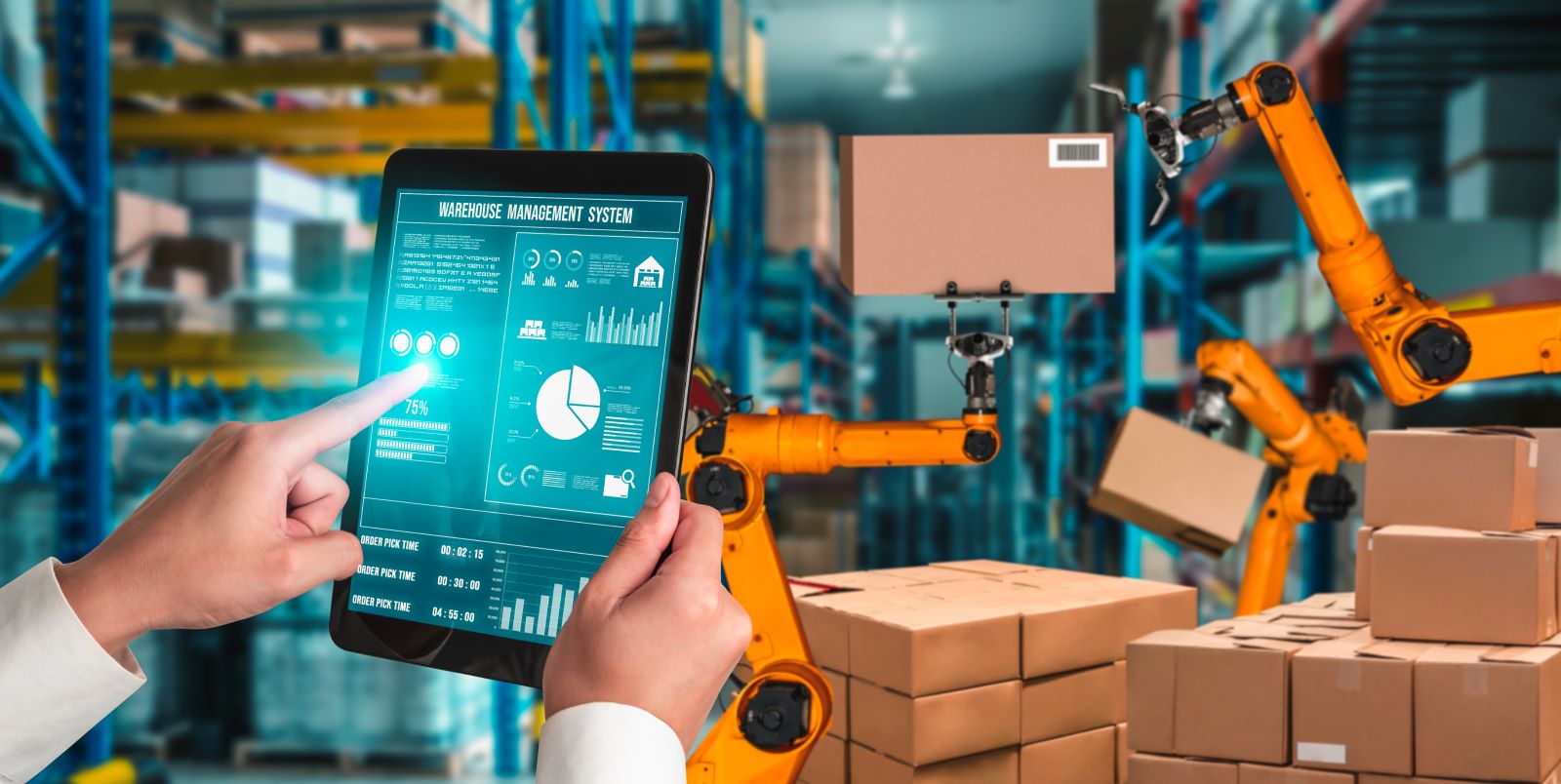
How Logistics Automation is Revolutionizing the Supply Chain
For decades, the logistics industry was characterized by manual processes, repetitive tasks, and a reliance on human labor. While the dedication and skill of logistics professionals remain vital, the landscape is undergoing a dramatic transformation driven by the relentless march of logistics automation. From warehouses to transportation networks, technology is stepping in to enhance efficiency, reduce costs, and create a more resilient and agile supply chain.
This isn’t just about replacing human workers with robots. Logistics automation is a multifaceted evolution encompassing a range of technologies designed to streamline operations, improve accuracy, and provide real-time visibility across the entire journey of goods. Let’s delve into some key areas where this revolution is taking hold:
1. The Intelligent Warehouse:
The warehouse, traditionally a hub of manual activity, is becoming increasingly automated. We’re seeing:
- Automated Guided Vehicles (AGVs) and Autonomous Mobile Robots (AMRs): These intelligent vehicles navigate warehouse floors, transporting goods, picking orders, and optimizing storage, significantly reducing travel time and human error.
- Automated Storage and Retrieval Systems (AS/RS): These systems utilize robotic arms and sophisticated software to automatically store and retrieve items, maximizing space utilization and speeding up order fulfillment.
- Robotic Picking and Packing: Advanced robots equipped with vision systems and AI are now capable of identifying, picking, and packing a wide variety of items with speed and precision.
- Drone Technology: Drones are being deployed for inventory management, conducting rapid stock checks and identifying misplaced items, offering a bird’s-eye view of warehouse operations.
2. Smarter Transportation:
Moving goods from point A to point B is becoming increasingly intelligent through automation:
- Autonomous Vehicles (AVs): While still in development and regulatory stages, self-driving trucks and vans promise to revolutionize long-haul and last-mile delivery, potentially reducing labor costs, improving fuel efficiency, and enhancing safety.
- Route Optimization Software: AI-powered algorithms analyze traffic patterns, weather conditions, and delivery schedules to optimize routes, minimizing travel time and fuel consumption.
- Real-time Tracking and Monitoring: IoT sensors and GPS technology provide granular visibility into the location and condition of shipments, enabling proactive problem-solving and improved customer communication.
- Automated Loading and Unloading Systems: Robotic arms and conveyor systems are automating the loading and unloading of trucks and containers, reducing turnaround times and minimizing physical strain on workers.
3. Streamlined Logistics Management:
Beyond the physical movement of goods, automation is transforming how logistics operations are managed:
- Warehouse Management Systems (WMS) with Advanced Analytics: Modern WMS platforms leverage AI and machine learning to forecast demand, optimize inventory levels, and predict potential disruptions.
- Transportation Management Systems (TMS) with AI Capabilities: TMS platforms are incorporating AI to automate carrier selection, optimize load planning, and manage freight costs more effectively.
- Robotic Process Automation (RPA): RPA bots are automating repetitive administrative tasks, such as data entry, invoice processing, and report generation, freeing up human employees for more strategic activities.
- Predictive Analytics: By analyzing historical data and real-time information, predictive analytics tools can anticipate potential delays, identify bottlenecks, and enable proactive decision-making.
The Benefits of Embracing Automation:
The adoption of logistics automation offers a compelling array of benefits:
- Increased Efficiency and Productivity: Automation significantly speeds up processes and reduces cycle times.
- Reduced Operational Costs: Automation can lower labor costs, minimize errors, and optimize resource utilization.
- Improved Accuracy and Reliability: Robots and automated systems perform tasks with greater precision and consistency than humans.
- Enhanced Safety: Automation can take over hazardous or physically demanding tasks, creating a safer working environment.
- Greater Scalability and Flexibility: Automated systems can adapt more readily to fluctuations in demand and changing market conditions.
- Improved Customer Satisfaction: Faster delivery times, greater transparency, and fewer errors lead to happier customers.
Navigating the Challenges:
While the benefits are undeniable, the journey towards full logistics automation isn’t without its challenges:
- High Initial Investment Costs: Implementing automation technologies can require significant upfront capital.
- Integration Complexity: Integrating new automated systems with existing infrastructure can be complex and require careful planning.
- Need for Skilled Workforce: Maintaining and operating sophisticated automated systems requires a skilled workforce with new technical expertise.
- Job Displacement Concerns: Addressing potential concerns about job displacement through reskilling and upskilling initiatives is crucial.
The Future is Automated:
Logistics automation is no longer a futuristic concept; it’s a present-day reality that is rapidly reshaping the supply chain. As technology continues to advance and become more affordable, we can expect to see even greater levels of automation across all aspects of logistics. Businesses that embrace this transformation will be well-positioned to thrive in an increasingly competitive and demanding global marketplace. The rise of the robots in logistics isn’t about replacing humans entirely, but rather about augmenting their capabilities, creating more efficient, resilient, and ultimately, smarter supply chains for the future.