

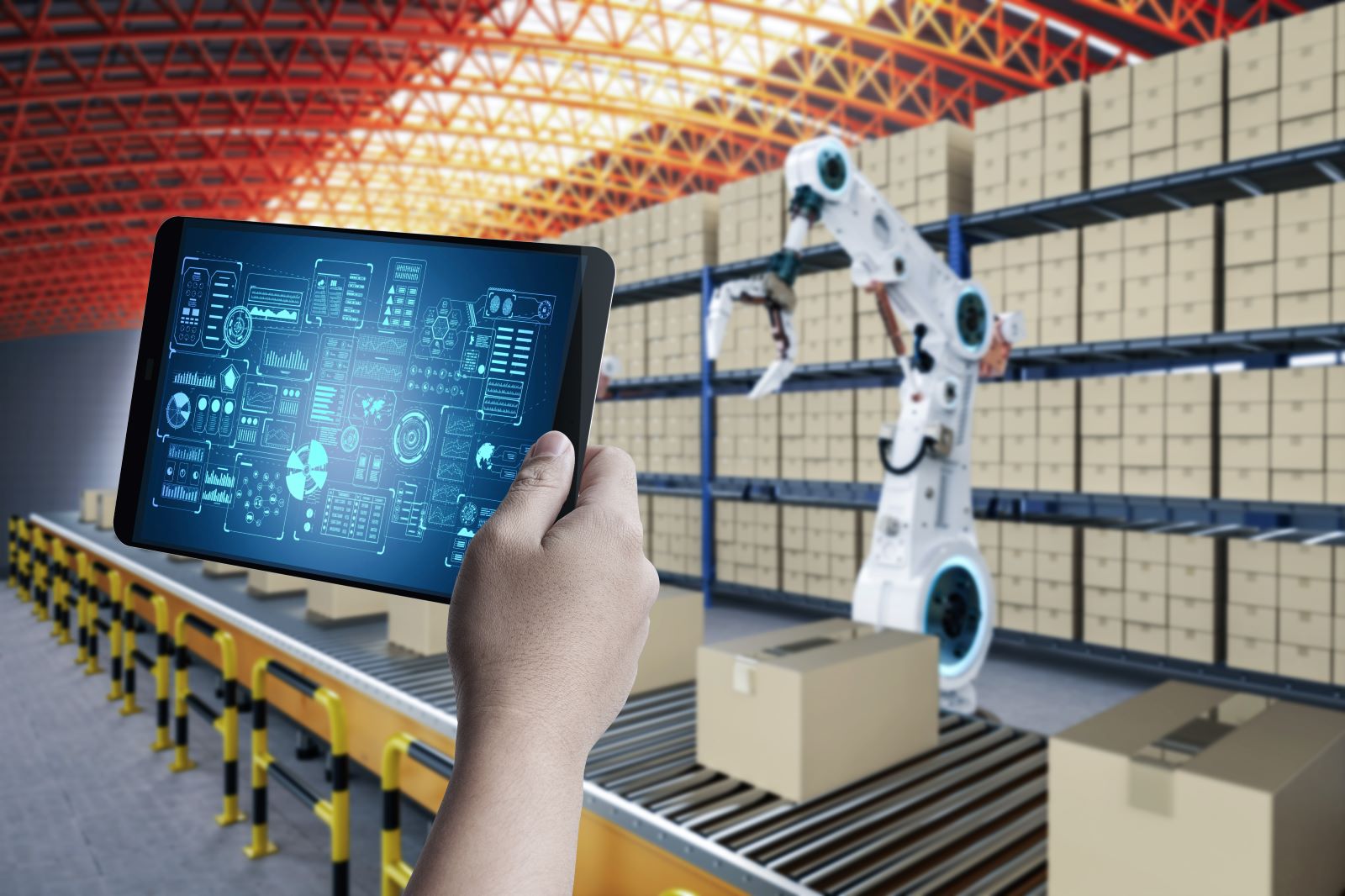
The logistics industry has long been the backbone of global trade, ensuring that goods move efficiently from manufacturers to consumers. However, with the increasing complexity of supply chains, the demand for faster delivery times, and the need for real-time visibility, traditional logistics methods are being stretched to their limits. Enter Artificial Intelligence (AI) and Cloud Computing—two transformative technologies that are revolutionizing the logistics landscape. Together, they are not only enhancing operational efficiency but also paving the way for a smarter, more integrated logistics ecosystem.
The Role of AI in Logistics
AI is at the forefront of driving innovation in logistics, offering a plethora of applications that streamline operations and improve decision-making processes. Here are some key areas where AI is making a significant impact:
- Predictive Analytics: By analyzing historical data and identifying patterns, AI can forecast demand, optimize inventory levels, and predict potential disruptions in the supply chain. This allows companies to proactively address issues before they escalate, reducing downtime and ensuring timely deliveries.
- Route Optimization: AI algorithms can analyze various factors such as traffic conditions, weather patterns, and delivery schedules to determine the most efficient routes for transportation. This not only reduces fuel consumption and operational costs but also enhances delivery speed and reliability.
- Automated Warehousing: AI-powered robots and autonomous vehicles are transforming warehouse operations. These systems can handle tasks such as picking, packing, and sorting with high precision and speed, significantly reducing human error and labor costs.
- Demand Forecasting: Machine learning models can analyze vast amounts of data to predict future demand trends. This helps logistics companies in planning and allocating resources more effectively, ensuring that they can meet customer demands without overstocking or understocking.
- Enhanced Customer Experience: AI-driven chatbots and virtual assistants provide real-time support and information to customers. They can handle inquiries, track shipments, and resolve issues, leading to improved customer satisfaction and loyalty.
The Cloud: Enabling Seamless Integration
Cloud computing complements AI by providing the necessary infrastructure and tools to handle large-scale data processing and storage. Here’s how the cloud is empowering logistics:
- Scalability: The cloud offers scalable solutions that can grow with the business. Logistics companies can easily expand their storage and computing capacities to handle increased data volumes during peak seasons or business growth.
- Real-Time Data Access: Cloud-based platforms enable real-time data sharing and collaboration across the supply chain. This ensures that all stakeholders, from manufacturers to retailers, have access to up-to-date information, facilitating better coordination and decision-making.
- Cost Efficiency: By leveraging cloud services, logistics companies can reduce their capital expenditure on IT infrastructure. The pay-as-you-go model of cloud computing allows businesses to only pay for the resources they use, optimizing their operational costs.
- Disaster Recovery: Cloud providers offer robust disaster recovery solutions, ensuring that critical data is backed up and can be quickly restored in case of an outage or cyberattack. This enhances the resilience of logistics operations.
- Advanced Analytics and Insights: Cloud platforms integrate with AI tools to provide advanced analytics capabilities. Logistics companies can leverage these insights to optimize their supply chain, improve performance, and drive innovation.
The Synergy of AI and Cloud in Logistics
The combination of AI and cloud computing is creating a powerful synergy that is transforming logistics into a more agile, responsive, and intelligent industry. Here are some examples of how this synergy is being realized:
- Smart Supply Chains: AI algorithms running on cloud platforms can analyze data from various sources to provide end-to-end visibility of the supply chain. This helps in identifying bottlenecks, predicting delays, and optimizing the flow of goods.
- Predictive Maintenance: AI-powered predictive maintenance solutions can monitor the health of logistics assets such as trucks, ships, and machinery. By analyzing data in real-time, these systems can predict failures before they occur, reducing downtime and maintenance costs.
- Dynamic Pricing: AI models can analyze market trends, demand fluctuations, and competitor pricing to determine optimal pricing strategies. This enables logistics companies to offer competitive rates while maximizing their profitability.
- Sustainable Logistics: AI and cloud technologies can help logistics companies reduce their carbon footprint. For instance, AI can optimize delivery routes to minimize fuel consumption, while cloud-based analytics can track and report on sustainability metrics.
Conclusion
AI and cloud computing are not just enhancing the logistics industry—they are redefining it. By leveraging these technologies, logistics companies can achieve greater efficiency, agility, and customer satisfaction. As AI continues to evolve and cloud computing becomes more advanced, the future of integrated logistics looks promising, with endless possibilities for innovation and growth.
Embracing these technologies is no longer an option but a necessity for logistics companies that want to stay competitive in a rapidly changing world. The journey towards a smarter, more integrated logistics ecosystem has begun, and those who adapt will be the ones leading the charge into the future.